Fluffy Ricotta Castagnole – Easy and Quick Recipe
When the craving for something sweet strikes, I often think of those simple, wholesome flavours that truly taste like home. Ricotta is one of those ingredients: delicate, creamy, and capable of making desserts soft without weighing them down. There are countless recipes for castagnole. Some follow the classic version, while others add cream, limoncello, orange, or raisins to personalise them. I’ve found my favourite version: castagnole with ricotta.
In my house, this is how we like them – with a soft texture inside, sweet enough, and that creaminess that only ricotta can provide.
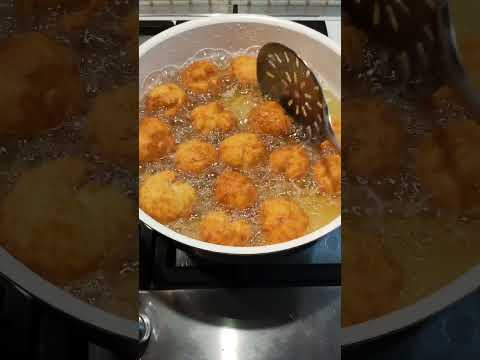
In my video, you can see how soft they turn out, but the aroma and flavour are truly discovered only when you make them.
That’s why I’m happy to share my recipe, along with some small tips and tricks to remember for a perfect result.
What you need for ricotta castagnole
To prepare the castagnole practically, you’ll need a few simple tools:
- a fine grater to get the lemon zest
- a saucepan or deep frying pan for frying
- a skimmer to turn the castagnole and remove them when cooked
- absorbent paper to remove excess oil
Little guides to consider during preparation
Stress-free dough
There’s no need to knead the flour and ricotta vigorously. When they come together, just mix them gently: they will combine easily to form a soft dough.
Watch out for puffing during frying
The dough balls will puff up during frying. They don’t exactly double in size, but they do get quite plump. Keep this in mind when choosing your pan and don’t overcrowd it.
Leavening agent is essential
Don’t forget the baking powder: it’s what makes the ricotta castagnole fluffy. Without it, they will be dense and heavy. (I speak from experience: I forgot it once!)
How to prepare ricotta castagnole step by step
Fluffy Ricotta Castagnole
Ingredients
Preparation
Grate the zest of half a lemon and set aside.
In a bowl, combine ricotta, sugar, and egg. Mix until you have a smooth, creamy mixture. Add the lemon zest, then gradually incorporate the sifted flour and baking powder. Mix until a soft dough forms. The dough should be soft and mouldable, similar to play-doh.


Pour a little flour onto a plate or work surface: this will prevent the dough from sticking.
Take small pieces of dough, about the size of a chestnut, and form them into balls. Place them on the floured surface as you make them.
Meanwhile, heat the frying oil in a deep pan.


When the oil is hot, carefully add a few balls at a time, leaving plenty of space between them as they will puff up during cooking.
Fry until evenly golden, gently turning them with a skimmer or fork.When they are golden brown, drain them and transfer them to absorbent paper to remove excess oil.
Dust with icing sugar or caster sugar as desired.




In qualità di Affiliato Amazon potrei ricevere un guadagno dagli acquisti idonei, acquista attraverso il mio Blog per aiutarmi.


Variations: raisins, limoncello, and vanilla
This recipe is simple and versatile, and you can easily adapt it to your taste.
If you prefer a sweeter flavour, you can increase the sugar to 80–90 g without altering the dough’s consistency.
Raisins pair very well with ricotta. If you like them, you can add a handful (previously soaked and well squeezed) directly into the dough.
The lemon zest can be replaced or enhanced with:
- a tablespoon of limoncello
- vanilla seeds or a sachet of vanillin. If you want to understand which to choose and the differences, you can find a dedicated guide on the blog Vanillin instead of Vanilla: Is it Possible?
Each variation will give a different aroma, but the base will always remain soft and delicate thanks to the ricotta.