
Homemade Custard: Smooth, Velvety, and Lumps-Free
Custard is one of those classics that never goes out of style.
This recipe yields a thick, velvety custard that’s completely free of lumps, perfect for filling cakes, tarts, cream puffs, and desserts of all kinds.
It’s made with a few simple ingredients and, by following a few tips, the result is a smooth, vanilla-scented custard that will win over even the most discerning palates.
And if there’s any leftover… it’s irresistible even eaten with a spoon.
I still remember my first attempts with this custard, over ten years ago: I’d pour the flour into the saucepan with milk, sugar, and eggs as the last step, and despite stirring gently, lumps would always form. Always.
Then I learned the trick: combine the flour with the eggs and sugar first. Two wet ingredients blend better and more evenly.
From then on, my custard always came out smooth, lumps-free, and it became one of the things I make most often in the kitchen.


Why are egg yolks used in custard?
Egg yolks are the heart of custard. They don’t just give it that lovely warm yellow colour reminiscent of fresh eggs from yesteryear.
They are what make it soft, full, almost coating to the spoon.
When you taste it, it should linger in your mouth for a moment, not disappear straight away.
That velvety sensation comes precisely from the egg yolks.
I use 4 yolks per litre of milk: the custard remains rich but not cloying, thick but still delicate.
Years ago I also tried with 3 whole eggs. The custard was good, yes – but different:
paler, lighter, less “round” in flavour.
Not wrong, just different. And that’s the beauty of cooking: understanding what changes.
If you want to better understand how to choose fresh, quality eggs to get the most out of your dessert, you can read my dedicated article on eggs in the kitchen
Flour or Starch? You can taste the difference
You don’t need to be an expert here. Just taste it.
Custard with flour is what you feel is more substantial: when you stir it in the saucepan, it offers resistance; when you spread it on a cake, it stays put, nicely firm.
It’s the custard for grandma’s tarts, the one that holds the slice perfectly.
With starch, however, everything changes.
The custard is lighter, silkier. In your mouth, it almost melts. It’s delicate, elegant, but less “structured”.
It’s not a matter of better or worse: it’s about what kind of dessert you want to create and what sensation you want to evoke.
Here’s how to make custard

Homemade Custard
Ingredients:
Method
Separate the egg yolks from the egg whites and transfer the yolks to a large bowl.
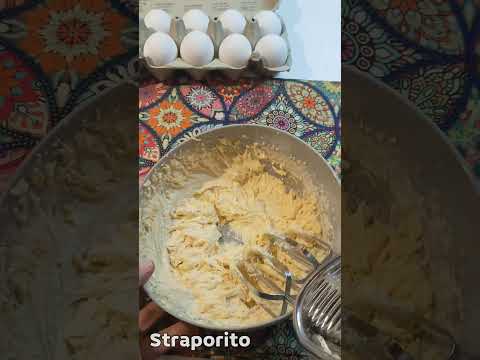
Add the sugar to the yolks and whisk until you get a pale, creamy mixture.
Add the sifted flour and continue mixing until you get a smooth mixture.
The mixture might seem a bit dry, but that's normal. The important thing is to mix it well.
Meanwhile, heat the milk in a saucepan, add the vanilla, and stir gently.
Do not bring to a boil: the milk should just heat up, until you start to see the first steam on the surface.
Pour the hot milk a little at a time into the egg mixture, stirring constantly until completely dissolved.
Transfer everything back to the saucepan and cook over low heat, stirring constantly, until the custard thickens.
This will take a few minutes. Do not let it boil.
Turn off the heat and immediately cover the custard, pressing cling film or a lid directly onto the surface, to prevent a skin from forming as it cools.


As an Amazon Affiliate, I may earn a commission from qualifying purchases. Please purchase through my blog to help me out.
Tips for Perfect Custard
When cold, custard changes consistency: it becomes thicker, smoother, and more velvety.
That’s the right time to use it for fillings.
If you pour it into desserts while it’s still lukewarm, it might form a skin on top as it cools.
Simply cover it directly as it cools to keep it soft.
A small gesture that makes a difference.
How to use it in desserts
It’s the custard I make most often for tarts, filled cakes, and cream puffs.
It holds its shape well and doesn’t make layers slide.
Once, I also tried it with panettone in a simple but effective way:
I cut it into slices about 2 cm thick and filled the layers with the custard.
A dusting of icing sugar on top, then into the fridge for about an hour.
The panettone absorbed the sweeter part, and the custard became even richer, almost like a buttercream.
It was one of those impromptu desserts that surprises everyone.
In fact, it disappeared in no time.
Storage
Custard keeps in the fridge for 2-3 days, well covered.
It’s best to store it in a sealed container or with cling film directly on the surface, so it stays fresh and doesn’t absorb odours.


